
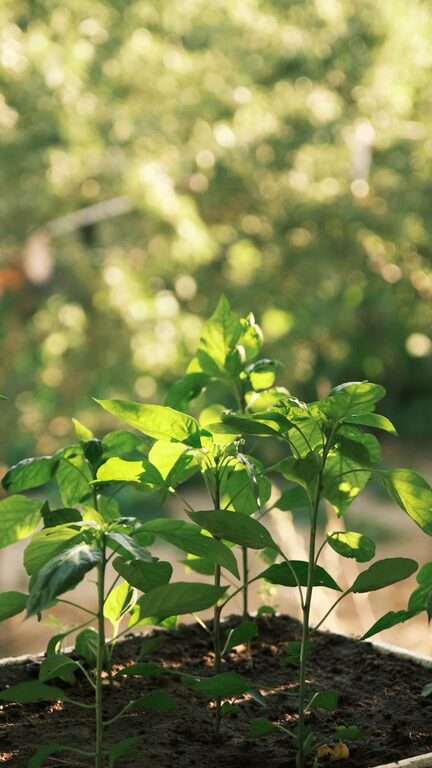
Creating a sustainable garden at home is a rewarding way to enjoy nature while reducing your ecological footprint. Sustainable gardening focuses on using natural resources wisely, supporting local wildlife, and minimising waste and chemicals. Whether you have a small balcony or a spacious garden, there are several steps you can take to make your outdoor space more environmentally friendly and productive.
Why Choose a Sustainable Garden?
Sustainable gardens benefit both the environment and your lifestyle. They conserve water and soil, encourage biodiversity, reduce waste, and often require less maintenance and expense over time. Moreover, these gardens provide fresh produce, promote relaxation, and connect you with the natural world.
Start With a Thoughtful Garden Design
Before planting, plan your garden carefully to use space and resources efficiently.
– Assess your site: Note how much sunlight, shade, wind, and rainfall your garden receives.
– Choose native plants: Native species are well adapted to local conditions and support wildlife.
– Group plants by water needs: Plant drought-tolerant varieties together to save water.
– Include a mix of plants: Combining flowers, shrubs, trees, and vegetables enhances biodiversity.
Use Water Wisely
Water conservation is a key component of sustainable gardening.
– Collect rainwater: Install rain barrels or water butts to harvest rainwater for gardens.
– Water deeply and less often: This encourages strong root growth and reduces evaporation.
– Water in the early morning or late evening: This prevents water loss through heat.
– Use drip irrigation or soaker hoses: These systems deliver water directly to roots, minimising waste.
Enrich Your Soil Naturally
Healthy soil supports healthy plants and reduces the need for fertilisers.
– Compost kitchen and garden waste: Composting turns organic waste into nutrient-rich soil.
– Use mulch: Mulching retains soil moisture, suppresses weeds, and adds nutrients as it breaks down.
– Avoid chemical fertilisers: Opt for organic alternatives like well-rotted manure or compost tea.
– Practice crop rotation: Changing planting locations helps reduce pests and maintains soil fertility.
Encourage Wildlife
A sustainable garden can become a small wildlife haven.
– Provide habitats: Include features like bird feeders, bat boxes, insect hotels, or ponds.
– Plant pollinator-friendly flowers: Bees, butterflies, and other pollinators support plant reproduction.
– Avoid pesticides: Use natural pest control methods, such as companion planting or encouraging natural predators.
Grow Your Own Food
Producing your own fruits, vegetables, and herbs cuts down on packaging and transport emissions.
– Start small: Grow herbs in pots or a few vegetable patches.
– Use heirloom or organic seeds: These seeds promote biodiversity and avoid genetically modified plants.
– Practice organic gardening: Avoid synthetic chemicals and focus on natural methods.
Reuse and Recycle in the Garden
Reduce waste by finding new uses for materials around your home.
– Upcycle containers: Use old buckets or crates as planters.
– Recycle garden waste: Chop and drop pruned branches as mulch or add green waste to your compost.
– Use natural materials: Choose wood, stone, or recycled plastic for garden structures and paths.
Maintain Responsibly
Sustainable gardening is an ongoing practice.
– Prune judiciously: Remove dead or diseased parts to help plants thrive.
– Monitor pests naturally: Keep an eye on plant health and intervene early with eco-friendly methods.
– Be patient: Sustainable gardens grow slowly but steadily, rewarding your care over time.
Conclusion
Creating a sustainable garden at home is both practical and enjoyable. By planning carefully, conserving resources, supporting wildlife, and embracing natural methods, you can build an outdoor space that benefits you and the environment alike. Whether you are a beginner or an experienced gardener, incorporating these tips will help you grow a greener, healthier garden. Happy gardening!
About the Author