Setting up a relaxing home office environment can transform the way you work, helping you stay focused, reduce stress, and maintain a healthy balance between work and life. Whether you work remotely full-time or occasionally take your work home, creating a space that feels comfortable and inspiring is essential. This guide offers practical tips on how to design a home office that boosts productivity while promoting relaxation.
Why a Relaxing Home Office Matters
A home office isn’t just about having a desk and a computer; it’s about creating a space where you can work effectively without feeling overwhelmed or uncomfortable. Stress and distractions can easily reduce productivity, so having an environment that encourages focus and calm can improve your performance and wellbeing.
Choose Your Space Wisely
Find a Quiet Spot
Start by selecting the best area in your home for your office. Ideally, it should be a quiet corner or a separate room that limits noise and interruptions. This helps to mentally separate work from leisure, which is important when working from home.
Consider Natural Light
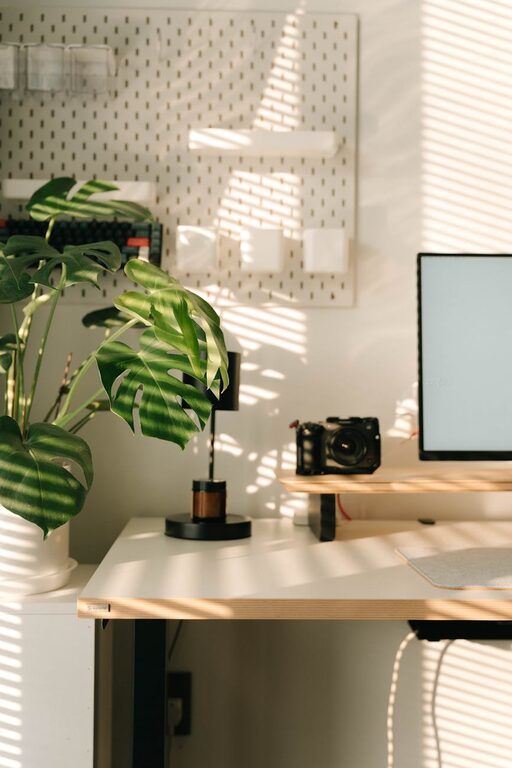
Natural light is proven to enhance mood and energy levels. Position your desk near a window if possible, to benefit from daylight. If natural light is limited, invest in good quality artificial lighting that mimics daylight to reduce eye strain.
Comfortable Furniture Is Essential
Invest in an Ergonomic Chair
Sitting for long hours can put strain on your back and neck. Choose an ergonomic chair that supports good posture and adjusts to your needs. This will reduce discomfort and help you stay focused throughout the day.
Choose the Right Desk Height
Your desk should allow you to work with your elbows at a comfortable 90-degree angle. Adjustable desks or standing desks offer flexibility, letting you alternate between sitting and standing to improve circulation and reduce fatigue.
Keep Your Workspace Organised
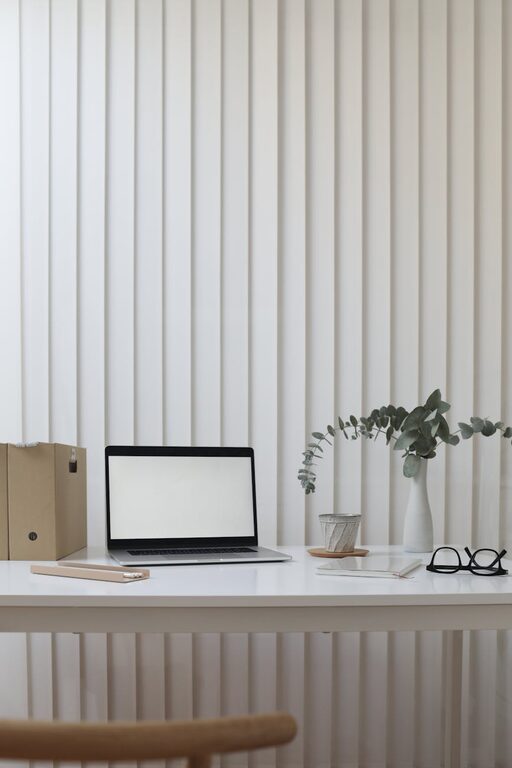
A cluttered desk can be distracting and stressful. Maintaining order in your workspace promotes a clear mind and productivity.
Use Storage Solutions
Drawers, shelves, or organisers can help keep stationery, documents, and gadgets tidy. Label boxes or files to find things quickly without wasting time.
Limit Electronics and Cables
Too many devices and tangled cables create visual noise. Use cable management tools to keep wires neat and only keep essential electronics within reach.
Personalise Your Space
Making your office environment enjoyable will encourage you to spend time there.
Add Plants
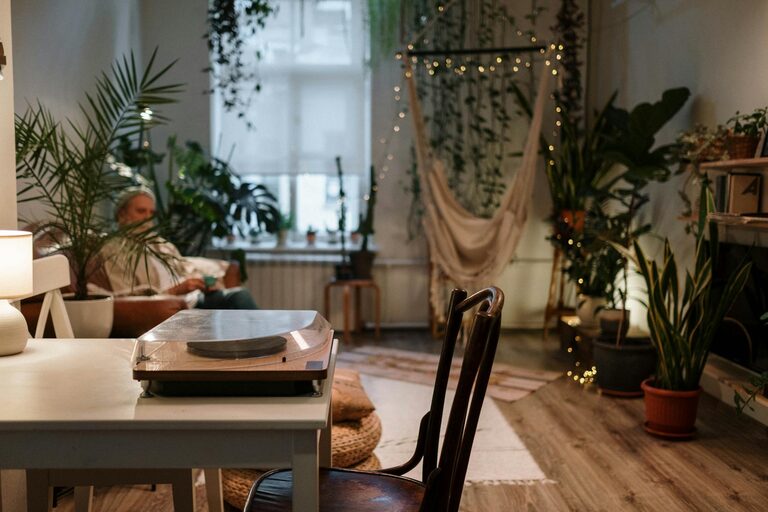
Indoor plants not only improve air quality but also provide a calming effect. Choose low-maintenance options like succulents or peace lilies to brighten your space.
Use Soothing Colours
Colours influence mood. Soft, neutral tones such as light blues, greens, or creams create a peaceful ambience. You can use colour in wall paint, accessories, or artwork.
Display Inspirational Objects
Photos, artwork or quotes that motivate you help maintain positivity during work. Just remember to keep them subtle enough not to distract you.
Manage Noise Levels
If you cannot control outside noise, consider noise-cancelling headphones or playing gentle background music like instrumental tunes or nature sounds.
Improve Air Quality and Temperature
A comfortable temperature around 20-22°C (68-72°F) is ideal for most people. Open windows for fresh air when possible, and consider air purifiers if your home office is in a stuffy area.
Take Regular Breaks
Design your office so you can easily step away for breaks. Brief pauses help refresh your mind and maintain energy levels.
Use Timers or Apps
Reminders to stand, stretch, or take a breather can improve physical comfort and reduce burnout.
Optimise Technology for Comfort
Monitor Position
Place your computer screen at eye level to prevent neck strain. Use a monitor stand if needed.
Keyboard and Mouse
Choose ergonomic designs and position them so your wrists remain straight in a relaxed position.
Lighting Tips for Comfort and Focus
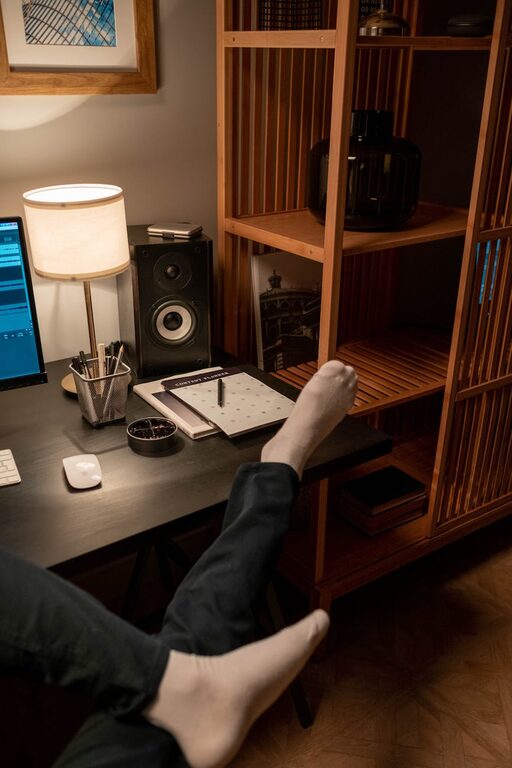
Avoid harsh overhead lighting and glare on screens. Desk lamps with adjustable brightness are useful for focused work.
Final Thoughts
Creating a relaxing home office is about balancing practical needs with comfort and aesthetics. By carefully choosing your space, furniture, lighting, and accessories, you can build an environment that supports both productivity and wellbeing. Remember, small changes can make a big difference in how you feel and work each day. Tailor your space to your preferences and enjoy the positive effects on your work-life balance.
About the Author