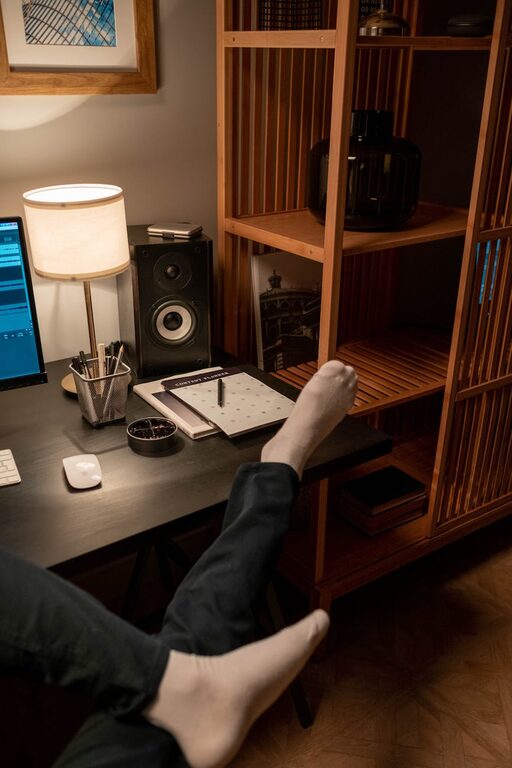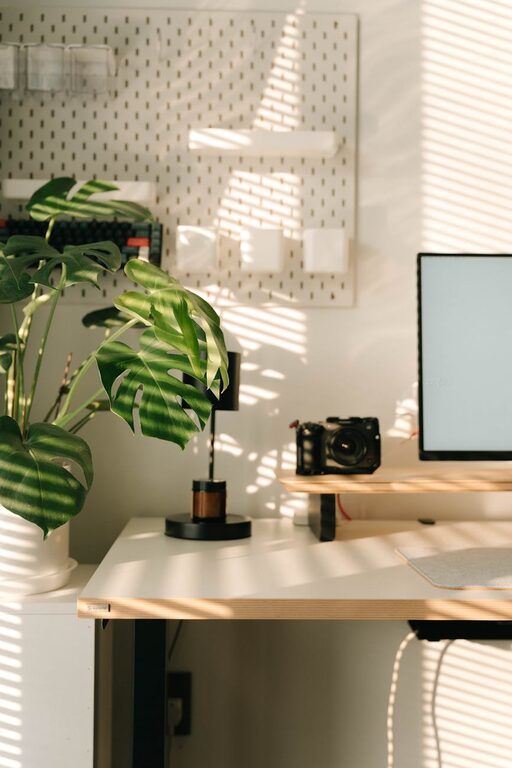

Creating a home workspace that is both relaxing and productive is essential in today’s world where many of us spend a significant amount of time working from home. Striking the right balance between comfort and focus can greatly improve your work output and wellbeing. In this post, we’ll explore practical tips to help you design a home workspace that supports both relaxation and productivity.
Choose the Right Location
Selecting an appropriate spot for your workspace is the first step. Ideally, it should be quiet, well-lit, and away from high-traffic areas in your home.
– Natural Light: Position your desk near a window if possible to benefit from natural light. This helps reduce eye strain and lifts your mood.
– Minimise Distractions: Avoid placing your workspace close to the kitchen or television. If space is limited, consider using room dividers or screens to create a distinct work zone.
– Ventilation: Good airflow is important; fresh air can keep you alert and comfortable during your workday.
Invest in Comfortable and Functional Furniture
Your choice of furniture can make a big difference to how comfortable and focused you feel.
– Ergonomic Chair: Look for a chair that supports your posture, with adjustable height and lumbar support.
– Desk: Choose a desk with enough space to arrange your computer, documents, and any other essentials neatly. If space allows, a sit-stand desk can offer flexibility.
– Accessories: Consider a monitor stand, keyboard tray, or wrist rests to reduce strain.
Organise for Efficiency
A tidy workspace promotes mental clarity and helps you concentrate better.
– Declutter Regularly: Remove unnecessary items from your desk surface. Keep only what you use frequently.
– Storage Solutions: Use shelves, drawers, or organisers to store supplies and documents out of sight but within reach.
– Cable Management: Use clips or cable organisers to keep cords neat and prevent tangling.
Personalise Your Space
Adding personal touches can make your workspace feel inviting and reduce stress.
– Plants: Indoor plants improve air quality and add a calming touch of nature.
– Artwork or Photos: Display images that inspire you or make you happy without overcrowding space.
– Soft Textiles: Consider a small cushion or throw for added comfort.
Manage Lighting Thoughtfully
Proper lighting is crucial for avoiding eye fatigue and maintaining energy.
– Layered Lighting: Combine ambient lighting with task lights. Use desk lamps to illuminate your work area directly.
– Adjust Brightness: Choose bulbs with adjustable brightness or colour temperature to suit different times of day.
– Avoid Glare: Position screens and lamps to prevent reflections or harsh light on your monitor.
Establish Boundaries and Routine
Creating clear work-life boundaries in your home workspace helps maintain productivity and relaxation.
– Set Work Hours: Define when to start and finish work to prevent burnout.
– Breaks and Movement: Schedule short breaks to stand, stretch, or walk around. This improves your focus and reduces stiffness.
– Workspace Use: Try to use your workspace only for work to train your brain to associate the area with productivity.
Incorporate Calming Elements
Including relaxing components can help you manage stress and improve concentration.
– Aromatherapy: Use subtle scents like lavender or eucalyptus to create a soothing atmosphere.
– Background Sounds: Gentle music or nature sounds can foster focus and mask distracting noise.
– Mindfulness Tools: Keep a journal or stress ball nearby for quick mental resets.
Optimise Technology Setup
Efficient technology reduces frustration and helps you maintain a smooth workflow.
– Reliable Internet: Ensure your internet connection is stable and fast enough for your work needs.
– Organised Digital Space: Keep your computer desktop and files organised for easy access.
– Backup Systems: Use cloud storage or external drives to safeguard important documents.
Regularly Review and Adapt
Your needs and preferences might change over time, so it’s worthwhile to revisit your setup periodically.
– Assess Comfort and Productivity: Notice if any aspect of your workspace causes discomfort or distraction.
– Make Small Adjustments: Sometimes repositioning a chair or adding a new lamp can make a significant difference.
– Stay Informed: Keep an eye on new furniture or organisation solutions that could enhance your space.
—
Creating a relaxing and productive home workspace takes thoughtful planning, but the result can greatly enhance both your work performance and wellbeing. By combining comfort, organisation, and personal touches, you’ll develop an environment that supports your daily tasks while keeping stress at bay.
Remember, your home workspace is a reflection of you — make it a place you look forward to spending time in!
About the Author