Creating a relaxing home environment doesn’t require a complete renovation or a big budget. Often, small, thoughtful changes in your interior design can make a huge difference in how calm and comfortable your living space feels. Whether you want to unwind after a busy day or simply create a peaceful retreat, these simple tips can help you transform your home into a relaxing haven.
1. Choose a Soothing Colour Palette
Colours have a powerful impact on our mood. Soft, muted tones like pastel blues, gentle greys, warm beiges, and sage greens are known for their calming effects. Avoid overly bright or harsh colours, which can be energising or overwhelming.
How to apply this:
– Paint walls in soft, neutral shades to create a restful backdrop.
– Introduce colour through cushions, throws, and artwork to add personality without overstimulation.
– Use consistent colours across rooms for a harmonious flow.
2. Maximise Natural Light
Natural light can instantly lift a space and make it feel more open and inviting. It has also been shown to improve wellbeing.
Tips to enhance natural light:
– Use sheer curtains or blinds to allow light while maintaining privacy.
– Avoid heavy, dark drapes that block sunlight.
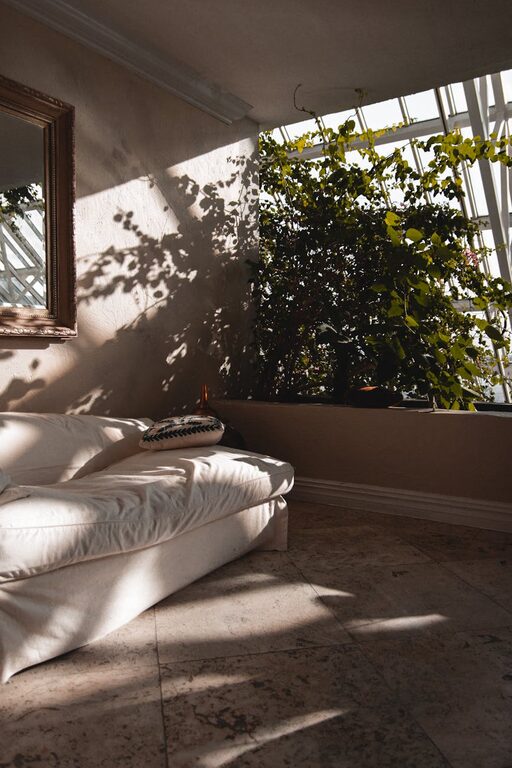
– Position mirrors opposite or adjacent to windows to reflect light around the room.
– Keep windows clean to let in as much light as possible.
3. Incorporate Soft Textures
Adding cosy fabrics and textures encourages relaxation. Think fluffy cushions, soft rugs, and throw blankets.
Ways to add texture:
– Place a plush area rug in living areas or bedrooms for warmth and comfort.
– Layer throws on sofas and beds for a soft, inviting touch.
– Consider upholstered furniture with comforting fabrics like velvet or linen.
4. Declutter and Create Organised Spaces
A cluttered room can lead to a cluttered mind. Keeping your home tidy helps foster peace and order.
Strategies for decluttering:
– Regularly sort through belongings and donate or store items you no longer need.
– Use storage solutions like baskets, shelves, and boxes to keep things organised.
– Maintain clear surfaces on tables and countertops.
– Create dedicated spaces for everyday items.
5. Use Natural Elements
Bringing nature indoors reduces stress and improves mood.
Natural decor ideas:
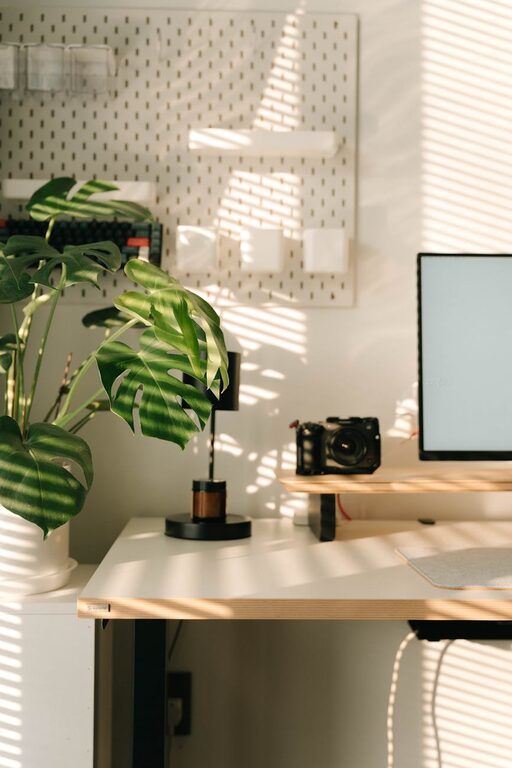
– Add houseplants – they also improve air quality.
– Use natural materials like wood, stone, or bamboo for furniture and accessories.
– Display fresh flowers or dried arrangements.
– Incorporate nature-inspired artwork or prints.
6. Create Comfortable Zones
Make sure your furniture layout encourages relaxation by creating designated areas for different activities.
How to design zones:
– Set up a reading nook with a comfy chair and good lighting.
– Arrange seating to encourage conversation or relaxation.
– Include a small meditation or yoga corner with cushions or mats.
– Use rugs or furniture placement to visually divide spaces.
7. Pay Attention to Lighting Layers
A well-lit room balances natural and artificial lights to create warmth without glare.
Lighting tips:
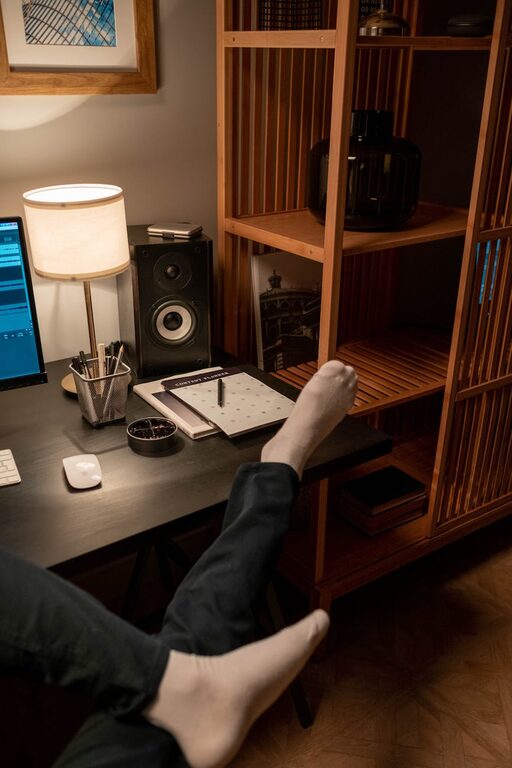
– Use a mix of overhead lighting, table lamps, and floor lamps.
– Choose warm white bulbs for a cosy glow.
– Install dimmer switches where possible to adjust brightness.
– Avoid harsh fluorescent lights, especially in relaxing areas like bedrooms.
8. Personalise Your Space
Your home should reflect your personality and preferences, making it easier to feel comfortable and at ease.
Ideas for personal touches:
– Display favourite books, photos, or souvenirs.
– Use calming scents with candles or essential oil diffusers.
– Choose art and decor that bring you joy.
– Incorporate pieces that tell your story.
9. Minimise Noise Distractions
A quieter space promotes relaxation.
Noise reduction tips:
– Use soft furnishings like rugs, curtains, and cushions to absorb sound.
– Close doors between noisy areas (e.g., kitchen or children’s playroom).
– Consider white noise machines or calming music to mask disruptive sounds.
10. Maintain Good Air Quality
Fresh air helps create a healthy, refreshing environment.
How to improve air quality:
– Open windows regularly to allow ventilation.
– Use air-purifying plants such as spider plants or peace lilies.
– Avoid smoking indoors.
– Use air purifiers if needed.
—
By making these simple interior design changes, you can create a home environment that feels welcoming, restful, and supportive of your wellbeing. Remember, the key is to focus on comfort, calm colours, natural elements, and organisation. Your home should be your sanctuary, where relaxation comes naturally. Happy decorating!
About the Author