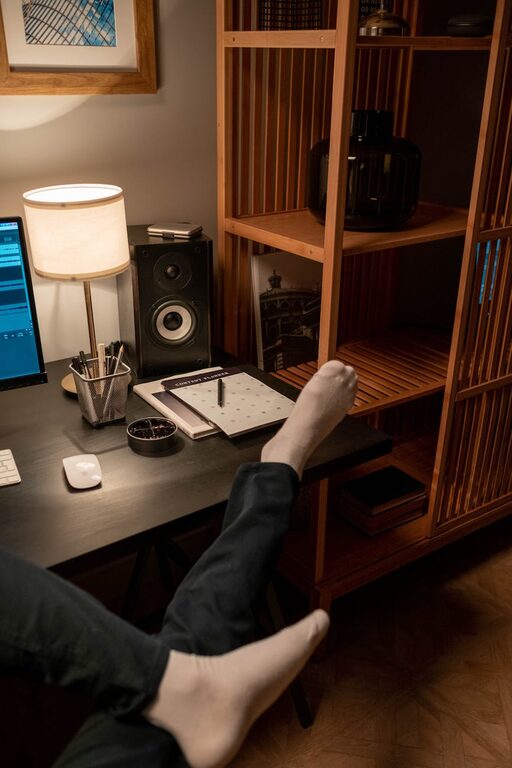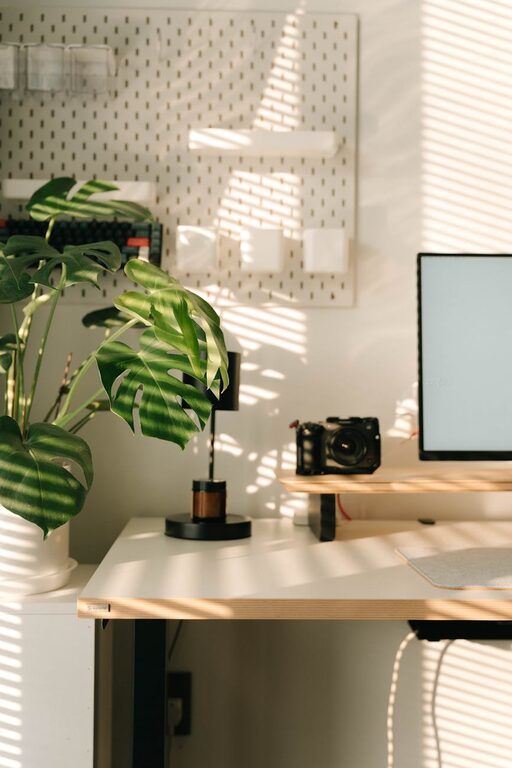
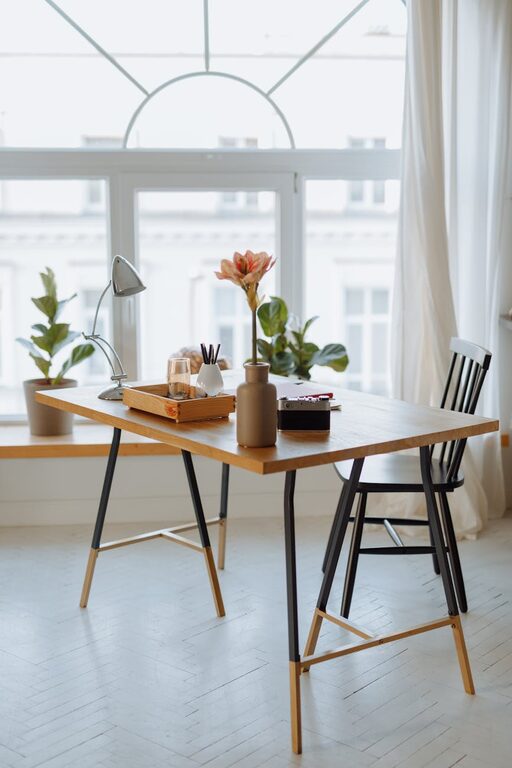
Creating a home office that is both cosy and functional can make a significant difference to your workday. Whether you’re freelancing, working remotely, or need a quiet place for study, a well-designed workspace helps improve focus and comfort. Here are some practical tips to help you set up the perfect home office that supports your daily tasks while feeling welcoming and inviting.
1. Choose the Right Location
The foundation of a good home office is picking the most suitable spot in your home. Ideally, select a quiet area with minimal distractions and enough space for your needs. If possible, use a separate room to mentally separate work from leisure. For smaller spaces, try a corner in your living room or bedroom that can be dedicated to work.
2. Prioritise Comfort with Furniture
Comfort is key to staying productive and avoiding strain during long hours. Invest in a quality office chair with good lumbar support to keep your back comfortable. Your desk should be the right height to maintain good posture; adjustable desks or desk converters can help with this.
A desk with ample surface area allows you to keep all essentials within reach without feeling cluttered. Some people prefer desks with drawers or shelves to store office supplies neatly.
3. Optimise Lighting
Lighting affects both your mood and eye health. Natural light is best, so position your desk near a window when you can. Use curtains or blinds to control glare on your screen during sunny days.
For times when natural light is low, invest in good quality artificial lighting. A combination of overhead lighting and a desk lamp will reduce eye strain and create a well-lit work environment. Choose bulbs with a neutral white tone to mimic daylight as closely as possible.
4. Keep Your Space Organised
Clutter can be distracting, so maintaining organisation is important. Use storage solutions like shelves, filing cabinets or drawer organisers to keep papers and supplies tidy. Label boxes and folders to quickly find what you need.
Desk organisers for pens, notebooks, and chargers help keep your workspace neat. Regularly clear and clean your desk at the end of each day to start fresh the next morning.
5. Add Personal Touches for Cosiness
Your home office should feel inviting and motivating. Personalise the space with items that make you happy without overwhelming the area. Some ideas include:
– A few framed prints or artwork
– A small plant for a touch of nature
– Soft textiles like a cosy throw or cushion on your chair
– A favourite mug or desk accessory
These small touches make your workspace more enjoyable and encourage you to spend time there willingly.
6. Incorporate Technology Thoughtfully
Having the right technology boosts functionality. Use a reliable computer or laptop with necessary software for your work. Consider a second monitor if your tasks require multitasking or extensive screen space.
Invest in good-quality headphones for video calls and to block out noise distractions. Keep cables organised with clips or ties to maintain a tidy desk area.
7. Manage Noise and Distractions
If noise is an issue, try to minimise sound disruptions by positioning your office away from busy parts of your home. Soft furnishings like rugs and curtains can help absorb noise.
Noise-cancelling headphones or playing background music can improve concentration. Set clear boundaries with family or housemates about your working hours to reduce interruptions.
8. Establish a Routine and Workspace Rules
Creating a routine helps your brain associate the space with work. Use working hours that suit you, and take regular breaks to avoid fatigue. When your day ends, clear your desk or close the door if possible to switch off from work mode.
Treat your home office as a dedicated workspace to maintain focus and work-life balance.
Conclusion
Designing a home office that is both cosy and functional is about balancing comfort, organisation, and practicality. Start with choosing the right space and furniture, then add elements to personalise and optimise lighting and technology. With thoughtful planning and routine, your home office can become a productive haven where work feels less like a chore and more inspiring.
Try some or all of these tips to create a space where you can work comfortably and effectively every day.
About the Author